Carvers Hill Estate
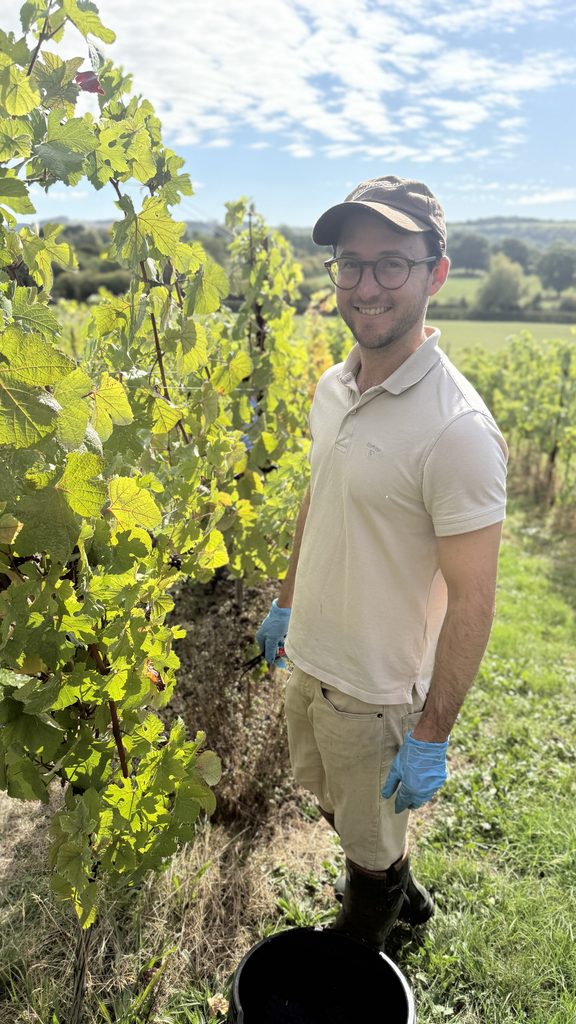
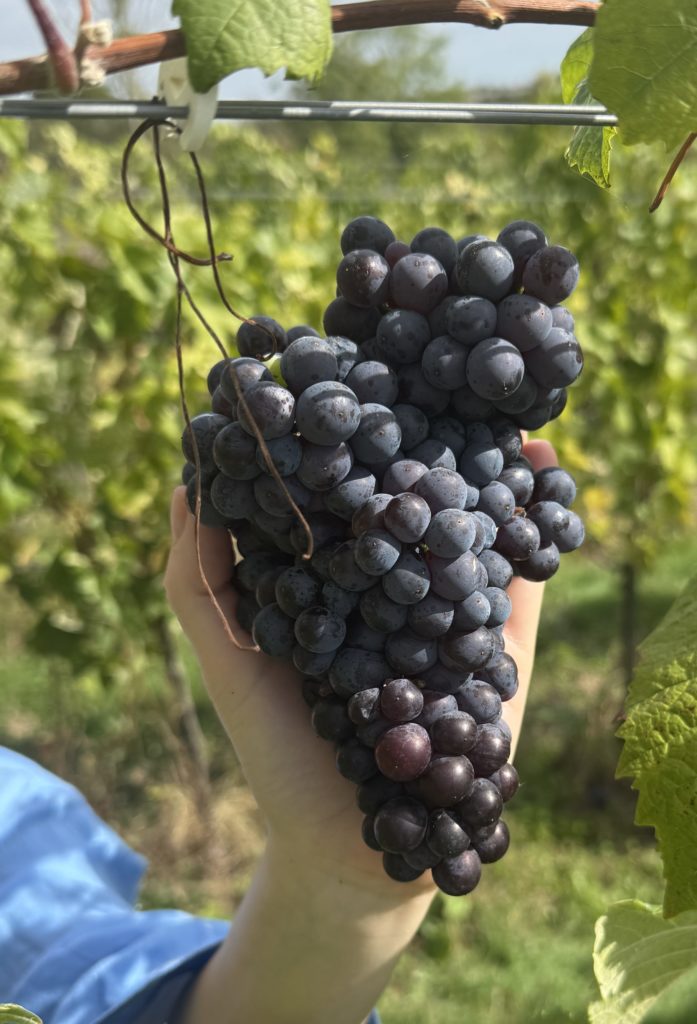
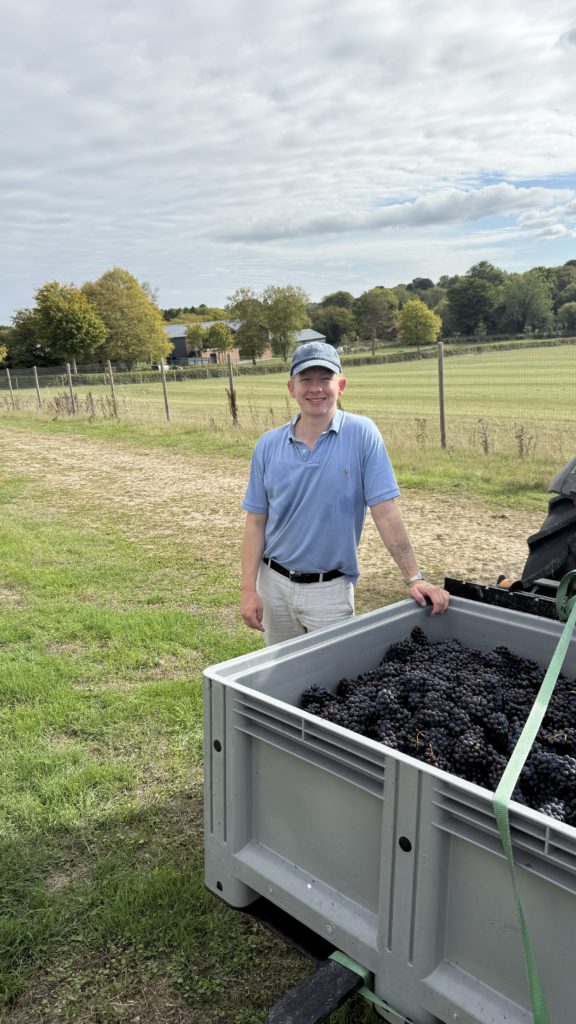
The 2026 harvest will be remembered as our earliest and largest to date. We began picking Pinot Précoce on 4 September, almost two weeks earlier than in 2025, which was itself a fantastic vintage. Although we have only completed three full harvests at Carvers Hill Estate, 2026 has already given us plenty to reflect on, with exceptional fruit quality, record tonnage and some interesting decisions to make in the winery.
A season that moved quickly
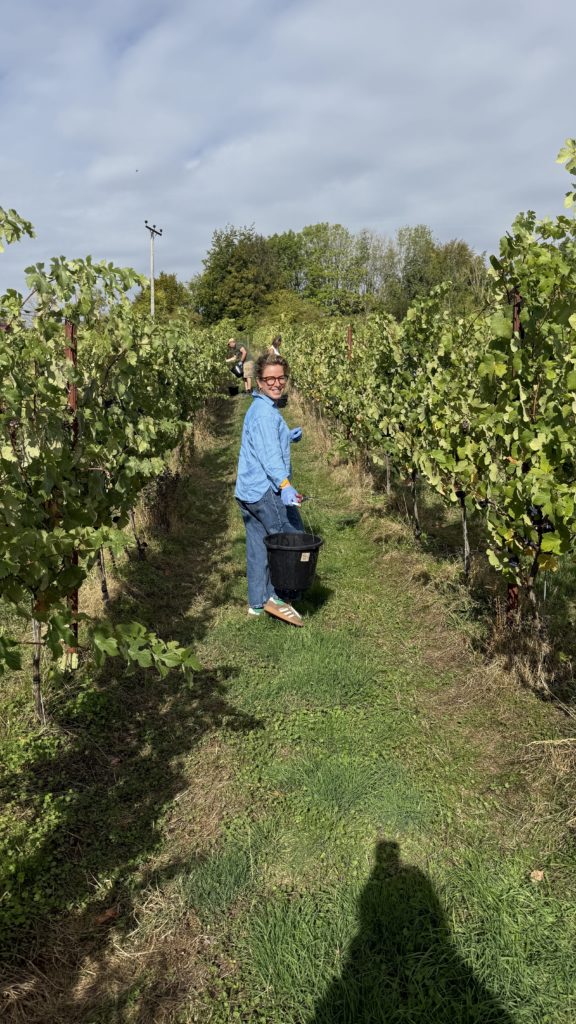
The fruit that came through the winery was incredibly clean, with excellent ripeness and impressive overall quality. We harvested a record 19 tonnes over just two weeks, making it our biggest harvest so far. It was a short, intense period, with the team working seven days a week to get everything picked and processed at the right time.
While the quality of the fruit was hugely encouraging, the speed of ripening presented its own challenges, particularly for our sparkling wines. Acidity was dropping faster than sugar levels were increasing, leaving us with some difficult decisions about picking dates. We had to balance retaining the freshness and structure needed for traditional-method sparkling wine against allowing the fruit to develop sufficient ripeness. It was a good reminder that even in a high-quality vintage, timing is everything.
Chardonnay: another excellent year
Our still Chardonnay arrived in the first week of October, alongside the Pinot Noir destined for red wine production. Following the outstanding quality of our 2025 Chardonnay, we were keen to see whether last year’s result was a one-off or the beginning of a consistent style for Carvers Hill.
The 2026 fruit has certainly given us reason to be optimistic. The Chardonnay came in exceptionally clean, with excellent natural acidity and the structure we look for in the finished wine. Having seen what the fruit achieved last year, it is particularly encouraging to see another strong vintage.
The Chardonnay is currently undergoing a deliberately cool fermentation. The aim is to preserve its aromatic character while allowing the wine to develop structure and complexity at a measured pace. The fruit was whole-bunch pressed, and a portion of the gross lees has been retained during fermentation to contribute texture and depth. Once fermentation is complete, the wine is destined for six months of ageing in 500-litre foudres.
Pinot Noir: a gentle approach in the winery
Our still Pinot Noir was also harvested in the first week of October. The fruit was 100% destemmed before being left to cold soak for two days, allowing us to begin extraction gently ahead of fermentation.
Throughout fermentation, we have kept cap management deliberately light. Pump-overs in the morning and punch-downs in the afternoon have allowed us to manage extraction without pushing the wine too hard. The aim is to retain the delicate fruit character and balance that make Pinot Noir so appealing, while building enough structure for the wine to develop in barrel.
The plan is to age our Pinot Noir in new 300-litre French oak barrels for nine months. This should give the wine time to develop complexity and texture while allowing the fruit to remain at the centre of the finished wine.
Looking ahead to our sparkling wines
The sparkling wines have been one of the more challenging aspects of this year’s harvest, largely because of the speed at which acidity declined. Nevertheless, the quality of the incoming fruit has been very encouraging, and we are looking forward to seeing how the base wines develop.
All being well, the wines will go on to a second fermentation in bottle using the traditional method. We are also considering ageing a portion of the sparkling base in barrel for a few months before bottling. This is something we are exploring to see whether a little additional texture and complexity can complement the freshness and precision we want from our sparkling wines.
As always, these decisions will depend on how the wines develop over the coming months. We are keen to let the wines show us what they need rather than impose a style too early.
A team effort
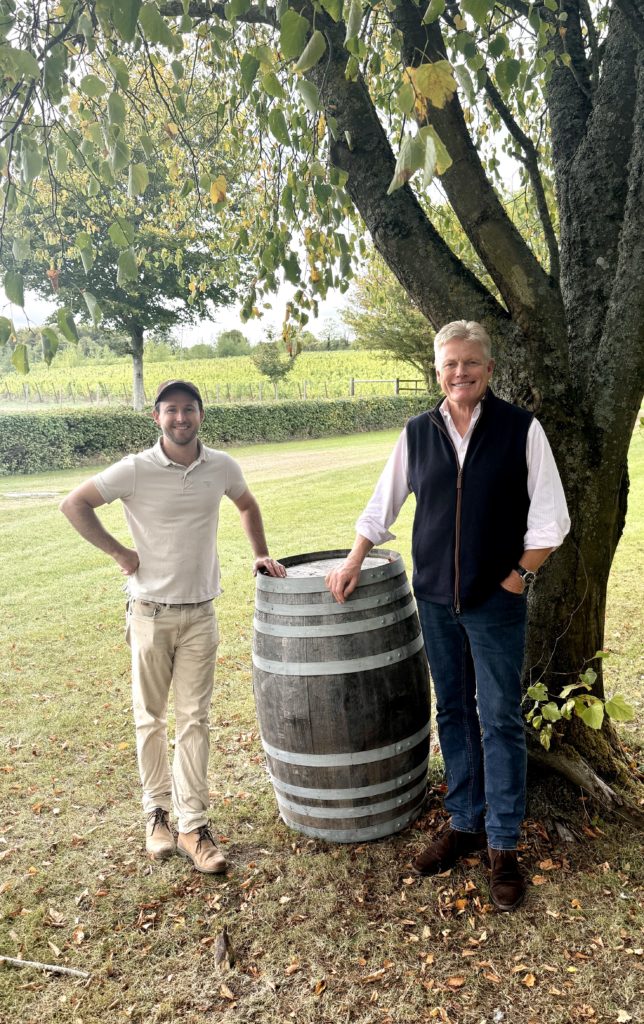
This harvest also saw us welcome Joshua Beekes, who joined us all the way from Zimbabwe. Joshua has been a great addition to the team, contributing across both winemaking and vineyard work during an extremely busy period.
Harvest is always a team effort, and the pace of this year’s picking made that more apparent than ever. From bringing the fruit in at the right moment to processing it quickly and carefully, everyone played an important part in getting the crop safely into the winery.
As we reach the end of harvest, the pace will begin to ease as we move away from picking and into the next stage of the winemaking process. Our focus now turns to tasting through the wines, monitoring their development and making the decisions that will shape each wine over the months ahead.
Looking forward
There is still a long way to go before we know exactly what 2026 will deliver in bottle, but the early signs are very promising. Our Chardonnay has once again arrived with excellent acidity and clean fruit, the Pinot Noir is developing under a gentle extraction regime, and the sparkling base wines give us plenty to work with as we consider the next stages of their development.
With plans for barrel ageing the red Pinot Noir, foudre ageing the Chardonnay and traditional-method bottle fermentation for our sparkling wines, the coming months will be just as important as the harvest itself.
For now, we can look back on a demanding but hugely rewarding few weeks. Nineteen tonnes in two weeks, exceptionally clean fruit and another step forward for Carvers Hill Estate make 2026 a harvest to be proud of. We look forward to following the wines as they develop and, in time, sharing the results with you.
Patrick